
-Intro
This chapter on Serotonin-Norepinephrine Reuptake Inhibitors (SNRIs) is meticulously designed to equip candidates with comprehensive knowledge and understanding of this class of medications, essential for the Pharmacy Examining Board of Canada (PEBC) evaluation exam. The chapter aims to delve into the pharmacological nuances of SNRIs such as Venlafaxine, Desvenlafaxine, Levomilnacipran, and Duloxetine, addressing their mechanisms of action, therapeutic uses, metabolic pathways, and side effect profiles. Understanding the content of this chapter will not only assist in passing the PEBC evaluation exam but also in cultivating the requisite competencies for future professional practice as a pharmacist. This overview sets the stage for a detailed and thorough study of SNRIs, ensuring that all key learning objectives aligned with the PEBC exam competencies are covered comprehensively.
-SNRIs Overview
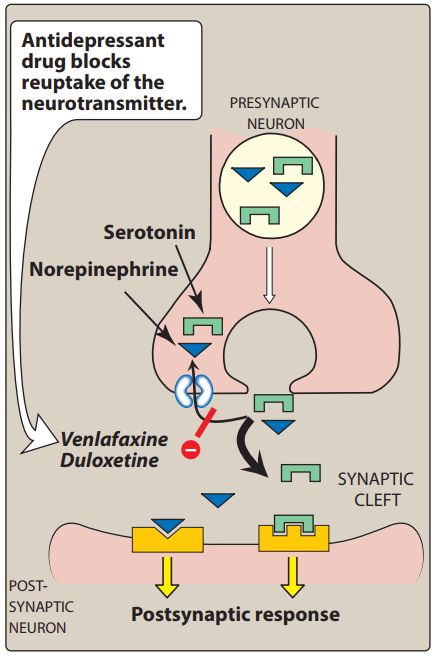
Venlafaxine, desvenlafaxine, levomilnacipran, and duloxetine are known as serotonin-norepinephrine reuptake inhibitors (SNRIs).
They function by blocking the absorption of serotonin and norepinephrine in the brain.
SNRIs may be beneficial for the treatment of depression and duloxetine is used for chronic nerve pain symptoms such as back and muscle pain.
Effectiveness for Pain:
Pain associated with conditions like diabetic nerve damage, shingles (postherpetic neuralgia), fibromyalgia, and lower back discomfort may be alleviated by SNRIs.
This pain relief is linked to the increased presence of serotonin and norepinephrine in the nervous system.
Discontinuation Syndrome: If SNRIs are suddenly discontinued, a withdrawal syndrome may occur, emphasizing the need for a gradual reduction in dosage.
Adverse Effects:
Nausea,
Headaches,
Sexual dysfunction,
Dizziness,
Sleep issues,
Fatigue, and constipation.
High doses may increase blood pressure and heart rate.
Duloxetine Details
Duloxetine inhibits the reuptake of serotonin and norepinephrine at all therapeutic doses.
Duloxetine has additional pain-related indications for peripheral diabetic neuropathic pain and fibromyalgia
It is extensively broken down in the liver to inactive forms.
Due to its metabolism, it's not recommended for those with liver problems.
Gastrointestinal complaints, such as nausea and dry mouth, are common, as are insomnia, dizziness, sleepiness, and sweating.
Example for Elaboration:
For instance, a patient suffering from fibromyalgia—a condition characterized by widespread musculoskeletal pain—might be prescribed duloxetine. This SNRI could help alleviate their pain symptoms by increasing the levels of serotonin and norepinephrine in the brain, which are neurotransmitters thought to play key roles in modulating pain perception. However, while duloxetine can be effective for such conditions, it must be prescribed cautiously, especially in patients with existing liver issues due to its metabolism pathway.
Exam Points:
Venlafaxine Mechanism: Venlafaxine mainly affects serotonin uptake at all prescribed doses. However, at doses exceeding 150 mg daily, it also begins to impact norepinephrine reuptake.
Desvenlafaxine Role: Desvenlafaxine serves as the active metabolite of Venlafaxine, meaning it's the substance Venlafaxine is converted into in the body to exert its effects.
Duloxetine Effects: From the starting dose of 60 mg daily, Duloxetine influences both serotonin (5-HT) and norepinephrine (NE) neurotransmission.
Levomilnacipran's Distinct Action: Levomilnacipran has a stronger influence on norepinephrine activity compared to serotonin, with a ratio of 2:1 favoring norepinephrine.
Metabolic Pathways:- Venlafaxine is broken down by the enzyme CYP2D6.
- Both Desvenlafaxine and Levomilnacipran are metabolized by CYP3A4.
- Duloxetine is processed by CYP1A2.
Common Side Effects of Duloxetine
Patients may experience central nervous system effects like headache, drowsiness, and fatigue.
Gastrointestinal issues such as nausea, dry mouth (xerostomia), and abdominal pain are common.
Some may experience weight loss or weakness.
For Example:
A patient starting Duloxetine for depression may not feel immediate relief. They are typically informed that the therapeutic effects may start becoming noticeable after about two to four weeks. During treatment, they might encounter side effects such as headaches and nausea, which are among the medication's common adverse reactions. Additionally, it's essential for healthcare providers to be aware of the medication's metabolism, as this can impact how it interacts with other drugs and affects patients with liver issues. For instance, Duloxetine is metabolized by the CYP1A2 enzyme, so it could potentially interact with other medications that are processed by the same pathway, affecting the drug levels and potentially leading to more pronounced side effects or reduced efficacy.